
Testimonials



Pedro Brito
Alentejo, Portugal
In the middle of summer in the Alentejo, with 78 cows on 140 hectares and pastures stockpiled for 5 to 7 months, we achieved body condition scores of 7, 8, and 9 in 70 of the cows, with enough pasture secured through November. It has been the best summer we’ve ever had, with calm, full cows.
In the middle of summer in the Alentejo, with 78 cows on 140 hectares and pastures stockpiled for 5 to 7 months, we achieved body condition scores of 7, 8, and 9 in 70 of the cows, with enough pasture secured through November. It has been the best summer we’ve ever had, with calm, full cows.
Numerical evidence: 78 cows, 140 hectares, 5–7-month deferred pasture, 70 of the 78 cows at BCS 7–9, and forage projected/secured through November.
3 levels of evidence:
Management: Two breaks/day in green pasture; one break/day around 11 a.m. on dry-season deferred pasture.
Animal response: Cows calm, full, and unusually high body condition; 70 of 78 at BCS 7–9.
Farm-level consequence: No protein supplement, 5–7-month deferred forage being utilized, 78 cows on 140 ha, with pasture available through November.
What ranchers say about our programs.
Pedro Brito
Alentejo, Portugal
Rated 5 out of 5


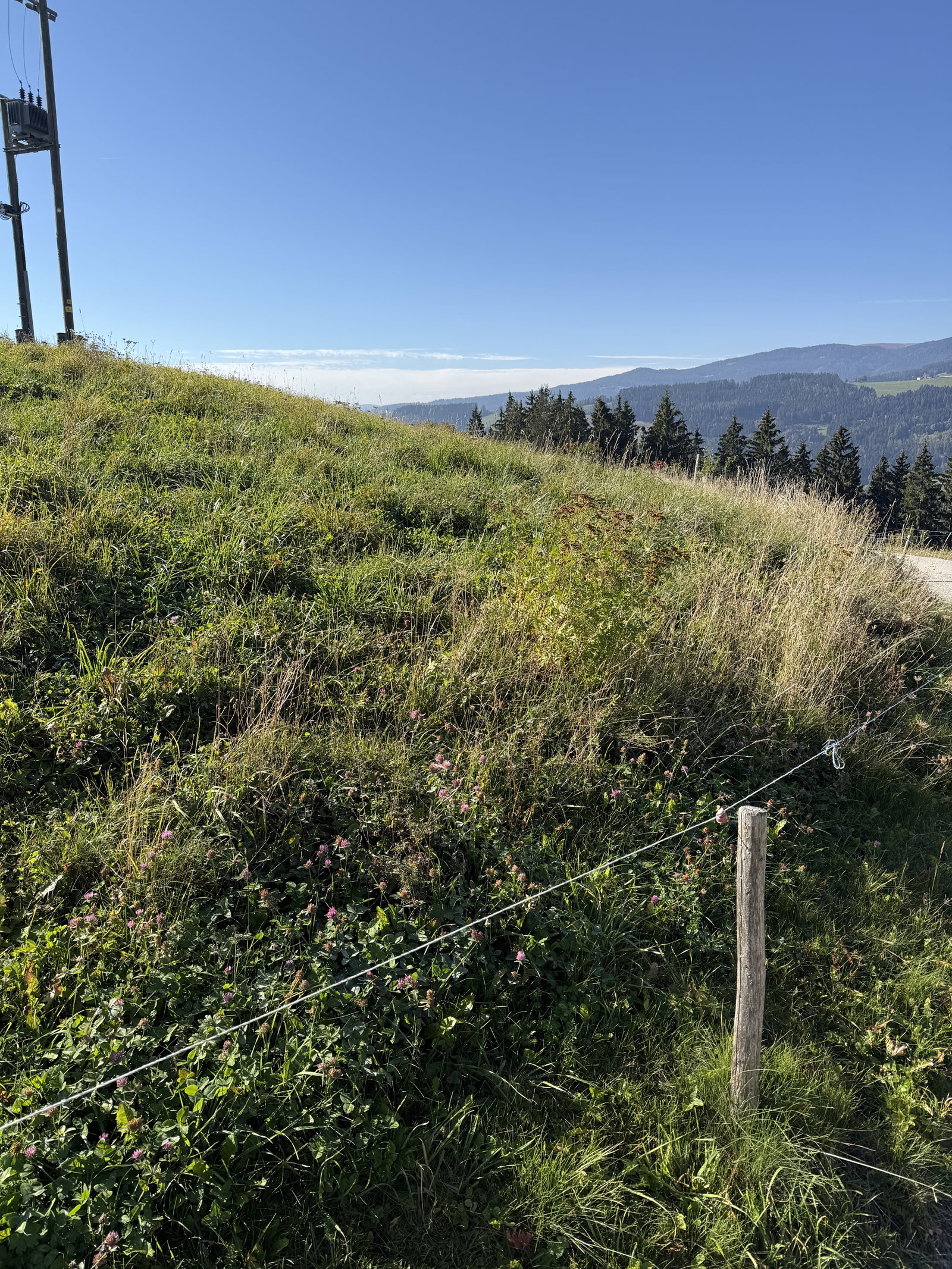
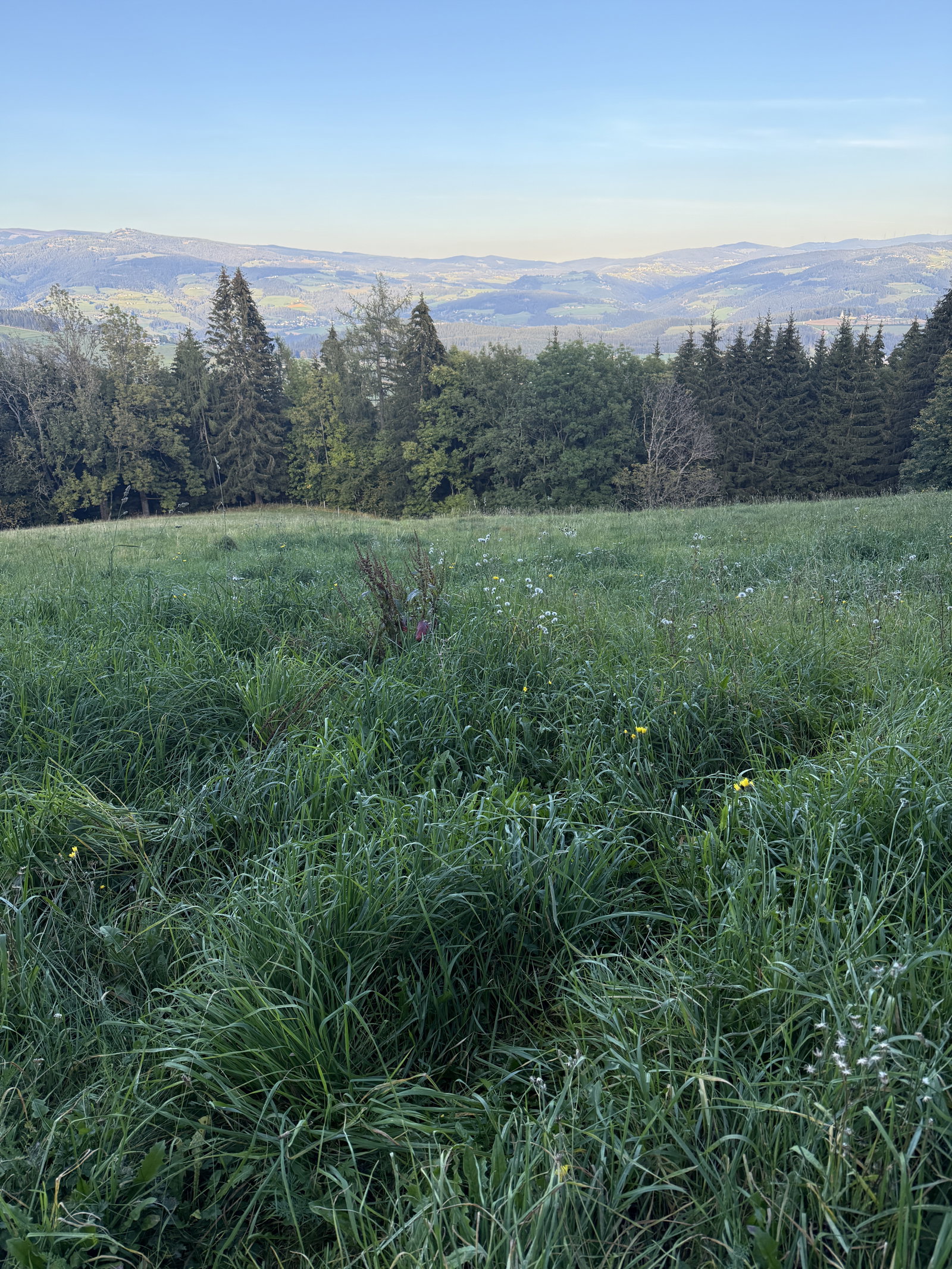
Reinhard Stuckler
Austria
Rated 5 out of 5
Raihania Tipoki
Mangarara, Hawkes Bay
Rated 5 out of 5

Mel Marx
Queensland, Australia
Rated 5 out of 5

Cary Yates
Border Street Sheep Co
Rated 5 out of 5
Rated 5 out of 5
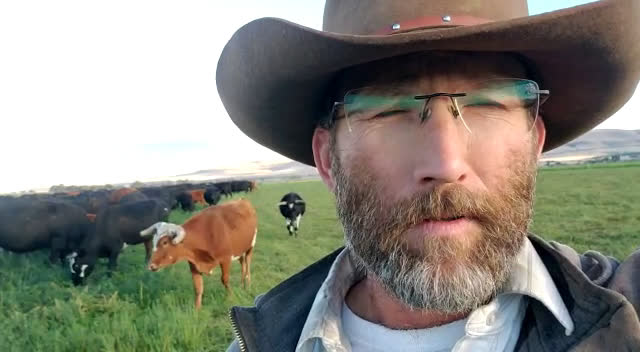
Tyler Waddington
Washington State, USA
Video transcript: Hi, my name is Tyler Waddington. I live in Central Washington State with my father and brother. We raise cattle and we also farm. As you can see behind me, there is a line in this feed and you'll see cattle on one side and no cattle on the other side. That's because I just moved a fence using the tools that I learned from Jaime Elizondo through his four Pillars classes. His total grazing concept has allowed us to increase our stocking rate per acre, along with also learning that the length of the recovery of the plant is what is most important to the root structure of that plant. And the fatter roots you have, the more root excused you have. Which feed the humus in the soil and give you a higher quality forage, whether you're stockpiling it or coming back to graze the regrowth in the same year. Jaime Elizondo has greatly enhanced our ability to achieve a higher profitability per acre. I would greatly recommend anyone to take his classes. You will learn so much, and I truly believe that you'll be able to move your operation forward. Thank you, Jaime, for all that you've done, all that you taught me, and your willingness to learn and to continue to learn.
Rated 5 out of 5

Michael Kinsey
Georgia, USA, Reverent Wild Ranch
Video transcript: I just wanted to piggyback on Sister Cattle Company's video. He did. So, Hobbs, this one's for you. If y' all are interested in learning more about the kind of ranching we practice or the grazing that we do, look into Jaime Elizondo's Real Wealth Ranching course. I'm actually taking it right now. About halfway through it. Taking other courses in the past, but this is probably the best one I've seen as far as it's just really condensed. It's a lot of meat, not a lot of fluff. So, yeah, if you're interested in learning more about how to graze in tune with nature and how to run more cattle, Real Wealth Ranching.
Rated 5 out of 5

Zeke Zacharias
Rancher, Zacharias Ranch

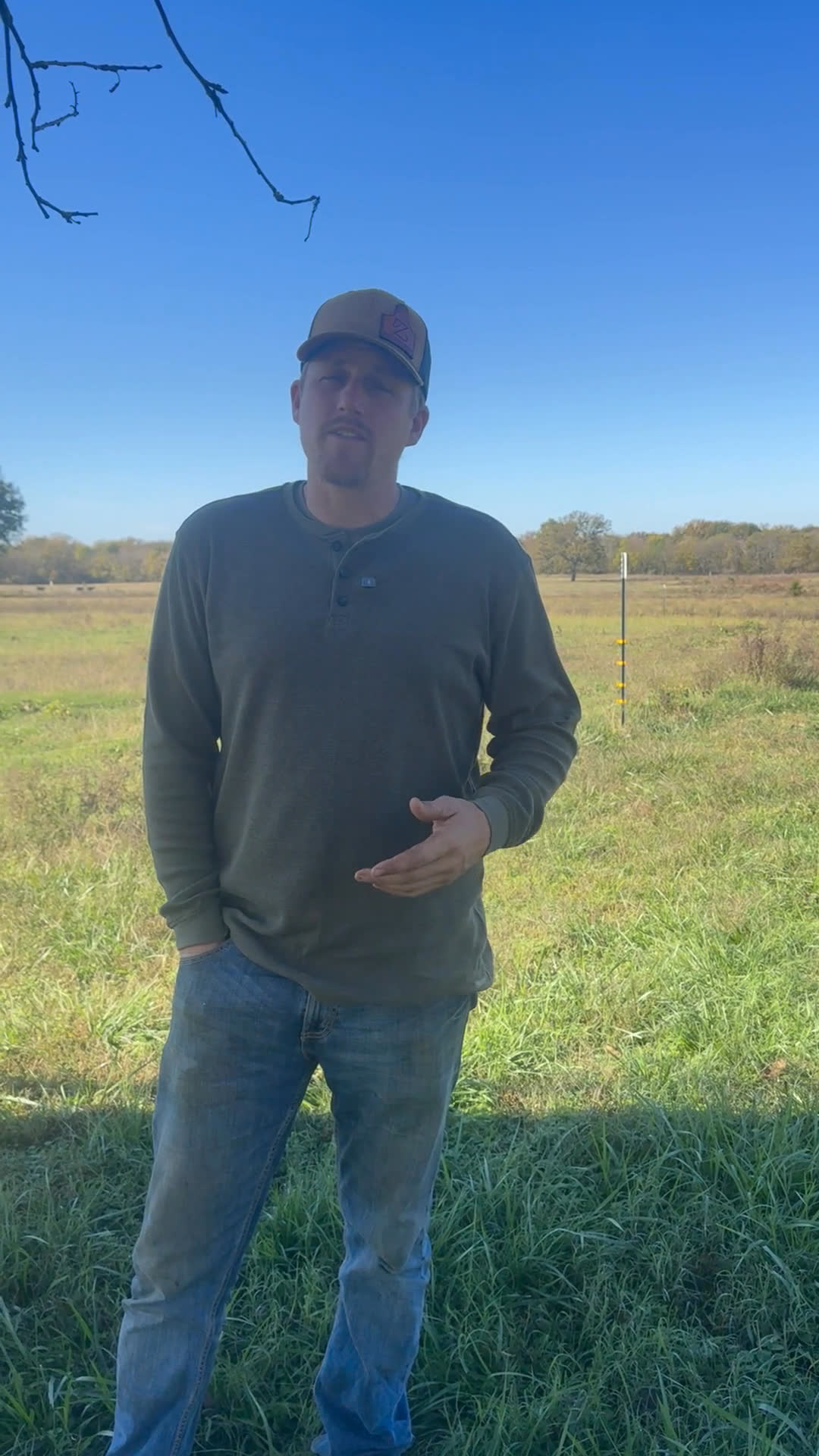
Video transcript: Hi, my name is Zeke Zacharias. We run just a little over 100 acres in Northeast Oklahoma, and we practice the total grazing program with our beef cattle. I took the total grazing program in 2024. Was my first growing season that I started that. So we have now three growing seasons under. Under this type of management and trying to learn how to practice it. One of the things that I really love about the Total Grazing Academy is that it gives me a complete program to follow. Jim covers everything from the total grazing. You know, how to manage your grasses, how to build your infrastructure, your fences, genetics, you know, of how to change your genetics and your cattle. And what you're looking for spends quite a bit of time talking about nutrition. I mean, it really. It's a complete program and it has completely changed what we do and how we manage our cattle here. It's been really neat to see how after three grazing seasons, how much our grass has improved. We. Within the first year, we double. You know, we doubled our stocking capacity just because with this type of management, your cattle are going to start consuming much more of what you already have. And then when you add the improvements of your grasses over the each season, then, you know, it just compounds. So the first year we doubled our capacity, and then now we're up to four times the capacity what we started with. And we still haven't maxed out our grass utilization yet. So each year it just keeps getting better and better. I know at some point it'll probably plateau somewhat, but we haven't found that yet. So, yeah, we're really excited about the potential that this program has given us. It's definitely not something you learn overnight. It's. I still have a lot to learn. It's. I would say at first it seems like it's a program, which it is, but it's just as much of an art as it is a program. So as you learn it, you become better at applying the principles and the guidelines that Jim provides in the program. And that's one of the things that I also like about it is it's not a set in stone. You have to do it exactly. You know, the. The way that maybe it's explained, Jim definitely gives quite a bit of. I know there's been many times where he's said, all right, in this situation, do this, or in this situation, do that. And the variation was. There was quite a bit of variation based on the situation and what we were trying to do at the moment. So what I really like is we learn what levers to pull to do what things? There's. Sometimes we're trying to do things for the cattle's benefit, and then there's times that we're doing things a little more where we're also protecting our grasses. And so sometimes we want real high harvest efficiency and utilization. And then there's other times we may come in and not push them quite as hard based on the genetics that we have. And that's, you know, that's probably one of the things that I had to learn in the beginning is understanding what my genetics could handle, how much I could ask of them. And that's where, you know, the support that I got from Jim was really helpful because he allowed me to find. Find that threshold of what. How much I could ask for my cattle that I had. And then as our genetics improve, we can start asking our cattle to do a little bit more and more. And hopefully someday we'll get to the point that, you know, we can have a herd that is. Is where we want to go with it. So. But that's what, again, having a whole program in line is really helpful because it helps me manage the cattle that I have today, but it also lets me know what direction I want to go with the cattle in the future. So I really would say this has been money very well spent. It's paid for itself many times over. And the cool thing is, is now because of our land improvement and our herd improvement, just this year alone, I've started being able to pick up more grazing leases, more property to manage. And a lot of it's because now I have a program that shows me how to manage well. So thanks so much, Jim, for your help.



Andy Bunny
Southern North Island

Rated 5 out of 5